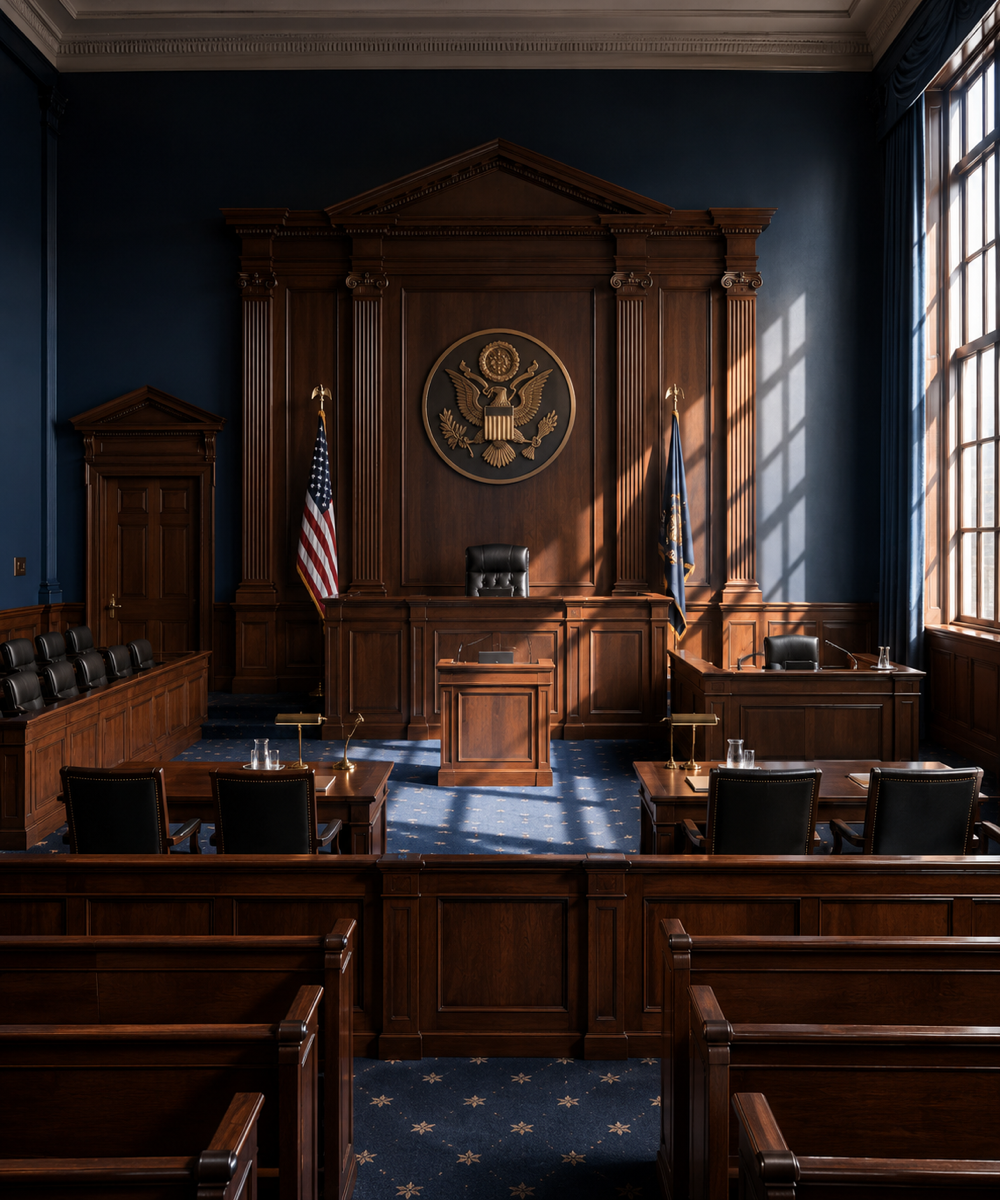
The Role of Forensic Accountants in White Collar Defense
In the complex world of white-collar criminal defense, forensic accountants play a crucial role by providing expert analysis and evidence that can significantly impact the outcome of a case. According to the article on joomlaport.com's White Collar Defense Research Desk, these professionals assist both defendants and their legal teams in understanding financial records and transactions. They help build an effective defense strategy by identifying inconsistencies or fraudulent activities that might be overlooked by non-expert reviewers.
White-Collar Crime Trends
The Fraud Section of the Department of Justice reports a trend towards increased enforcement actions against white-collar crime, particularly in healthcare fraud and corporate misconduct. The 2026 Philadelphia expansion announcement highlights this trend, indicating an intensified focus on criminal activities that involve financial deception and fraud.
Understanding Federal Sentencing Guidelines
The United States Sentencing Commission is responsible for promulgating federal sentencing guidelines that judges consult when determining appropriate sentences. These guidelines aim to ensure consistency in sentencing across the nation while providing a framework for judicial discretion. The commission’s work includes creating tutorials and information resources to assist judges, defendants, and their legal representatives in navigating these complex rules.
Types of White-Collar Crimes
The Fraud Section's efforts cover various types of white-collar crimes, including healthcare fraud, corporate enforcement actions, and national health care fraud takedowns. These activities highlight the diverse nature of financial criminal acts that impact public trust and economic stability. The focus on specific regions like Philadelphia emphasizes a strategic approach to tackling these issues.
Decision Criteria for White-Collar Defense
When deciding on a defense strategy in white-collar cases, defendants must consider several factors including the nature of the alleged offense, potential sentencing guidelines, and available legal resources. It is crucial to weigh options such as negotiating plea deals vs. going to trial based on an analysis of evidence strength and legal precedents.
Navigating Federal Criminal Appeals
Federal criminal appeals involve a detailed process governed by specific statutes and procedures outlined in Title 18 of the United States Code. Defendants must carefully review their options, including filing direct appeals vs. petitions for writs of certiorari to the Supreme Court. Understanding these distinctions is key to crafting an effective appellate strategy.
Practical Considerations for White-Collar Defense
A comprehensive defense strategy requires practical considerations that extend beyond legal maneuvering. Forensic accountants provide critical support in analyzing financial records, which can reveal inconsistencies and potential defenses not apparent from a purely legal perspective. This interdisciplinary approach is vital in building a robust case against charges of fraud or other white-collar offenses.
Steps for Navigating Federal Defense Resources
Educate yourself: Familiarize yourself with federal statutes, regulations, and investigative agencies involved in white-collar crime.
Consult Experts: Engage forensic accountants to analyze financial records and identify potential defenses.
Review Guidelines: Understand the Federal Sentencing Guidelines that judges use to determine sentences.
Evaluate Legal Strategies: Decide between negotiating a plea deal or proceeding to trial based on evidence analysis.
Pursue Appeals: Consider filing direct appeals or petitions for writs of certiorari if initial legal outcomes are unsatisfactory.
The Role of the Supreme Court in White-Collar Cases
The Supreme Court acts as both guardian and interpreter of the Constitution, ensuring equal justice under law. In white-collar defense cases, this role becomes crucial when appeals reach the highest court. The Court's decisions can set precedents that influence future cases, making it essential to understand its functions and jurisdiction.
Sources
Fraud Section — justice.gov — …Enforcement Actions 2026 Philadelphia Expansion Announcement 2026 National Health Care Fraud Takedown 2026 Minnesota Medicaid and Benefits Fraud Takedown 2025 National Health Care Fraud Takedown 2024
Federal Sentencing Guidelines — ussc.gov — …Information (JSIN) Tutorial Video The Federal Sentencing Guidelines The Commission promulgates guidelines that federal judges consult when sentencing individuals
About the Supreme Court — supremecourt.gov — As the final arbiter of the law, the Court is charged with ensuring the American people the promise of equal justice under law and, thereby, also functions as guardian and interpreter of the Constitution
Sentencing Commission Origins — ussc.gov — …Commission is an independent agency in the judicial branch that was created as part of the Sentencing Reform Act of 1984
About us
Built for readers who want clarity.
Practical explanations grounded in primary sources — no filler, no speculation.
Who this is for
Executives, attorneys, and professionals seeking authoritative coverage of white collar crime defense, fraud defense, federal criminal law, and corporate investigations.
New DOJ guidance on corporate cooperation, monitor selection, and individual accountability — what's different and what it means for white collar defendants.
White Collar Defense Research Desk is a former Assistant United States Attorney (Southern District of California) with 25+ years of federal criminal law experience. He has handled cases ranging from multi-defendant RICO prosecutions to complex securities fraud. Every article on White Collar Defense Research Desk is written or reviewed by him personally.
About This Guide
Published by John D. Kirby — this reference explains federal criminal defense in plain language.
What does White Collar Defense Research Desk cover?
White Collar Defense Research Desk publishes practical reference content about white collar crime defense, fraud defense, federal criminal law, and corporate investigations — published by John D. Kirby
Who writes the articles?
All articles are written or reviewed by John D. Kirby
18 U.S.C. § 371 — Conspiracy to commit offense or to defraud United States — law.cornell.edu:
If two or more persons conspire either to commit any offense against the United States, or to defraud the United States, or any agency thereof in any manner or for any purpose, and one or more of such persons do any act to effect the object of the conspiracy, each shall be fined under this title or imprisoned not more than five years, or both.
Fed. R. Crim. P. 2 — Purpose and construction — uscourts.gov:
just determination of every criminal proceeding, to secure simplicity in procedure and fairness in administration, and to eliminate unjustifiable expense and delay.
U.S. Department of Justice — About the Southern District of California — justice.gov:
The Southern District of California includes San Diego and Imperial Counties.
Stay Updated
Get the latest dispatches delivered straight to your inbox. No spam, unsubscribe anytime.